
Designing C More’s next streaming experience
C More was a Nordic streaming service offering film, series, live TV and sports. I worked on a new platform spanning web, mobile and Smart TV, where the challenge was to create one coherent product while respecting different devices, viewing behaviours and technical constraints.

- Streaming
- Consumer Products
- Cross-platform UX
- Media & Entertainment
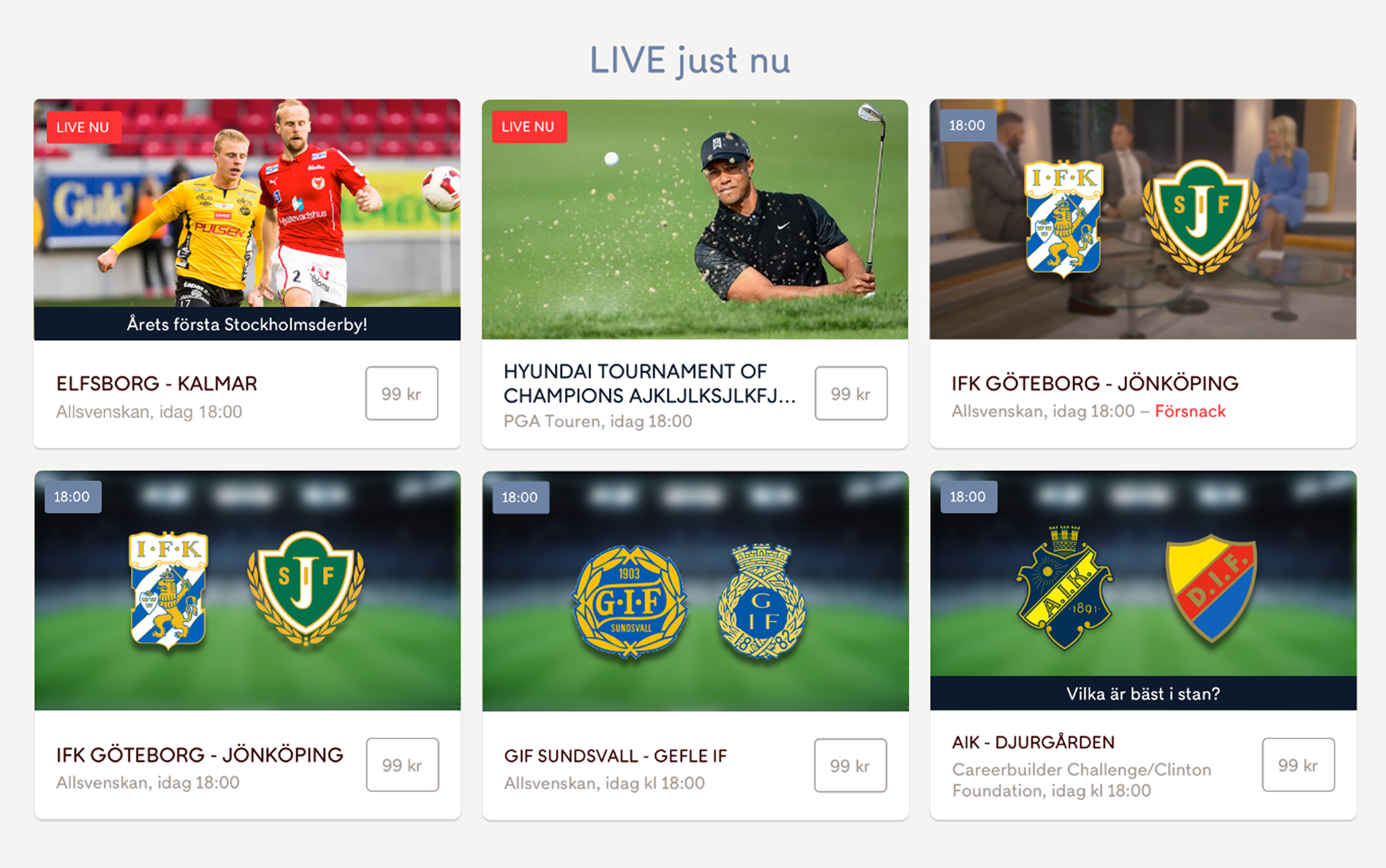
Summary
I worked in the web team on the design of C More’s new streaming platform, taking product ideas from early workshops and impact mapping through interaction concepts, prototypes, repeated user testing and detailed implementation requirements. I also coordinated technical investigations and worked with UX and development teams across web, iOS, Android and Smart TV to keep the experience coherent across devices. The work helped establish a more user-centred product process where clearer requirements reduced the gap between UX and development.
A significant part of the work focused on commercially important journeys such as onboarding, subscription purchase and package changes, where the experience had to balance ease of use with conversion, retention and technical constraints.
Role
Jun 2015 – Apr 2016
UX Designer
Scope
Product concept · Requirements · Interaction design · User testing · Cross-platform alignment · Design systems · Prototyping
Platform
Web · iOS · Android · Smart TV
Team
Around 50 people across product, UX, visual design, requirements and development teams spanning web, mobile and Smart TV
The Challenge
C More was building a new streaming service. The challenge was to create an experience that worked naturally on each device while maintaining a coherent product across web, mobile and TV. This included commercially important journeys such as onboarding and subscription management. At the same time, the team needed to move quickly from broad product ambitions to solutions that could be tested, specified and implemented by several development teams working in parallel.
Designing for different viewing behaviours
Streaming is not only about finding and playing content. People browse, search, follow sports and return to programmes in different situations and with different levels of familiarity with streaming services.
The experience also needed to feel coherent across web, mobile and Smart TV, while respecting the interaction patterns and constraints of each device.The design therefore needed to work for a broad audience without assuming that the same solution would work everywhere.
Reducing friction in commercially critical journeys
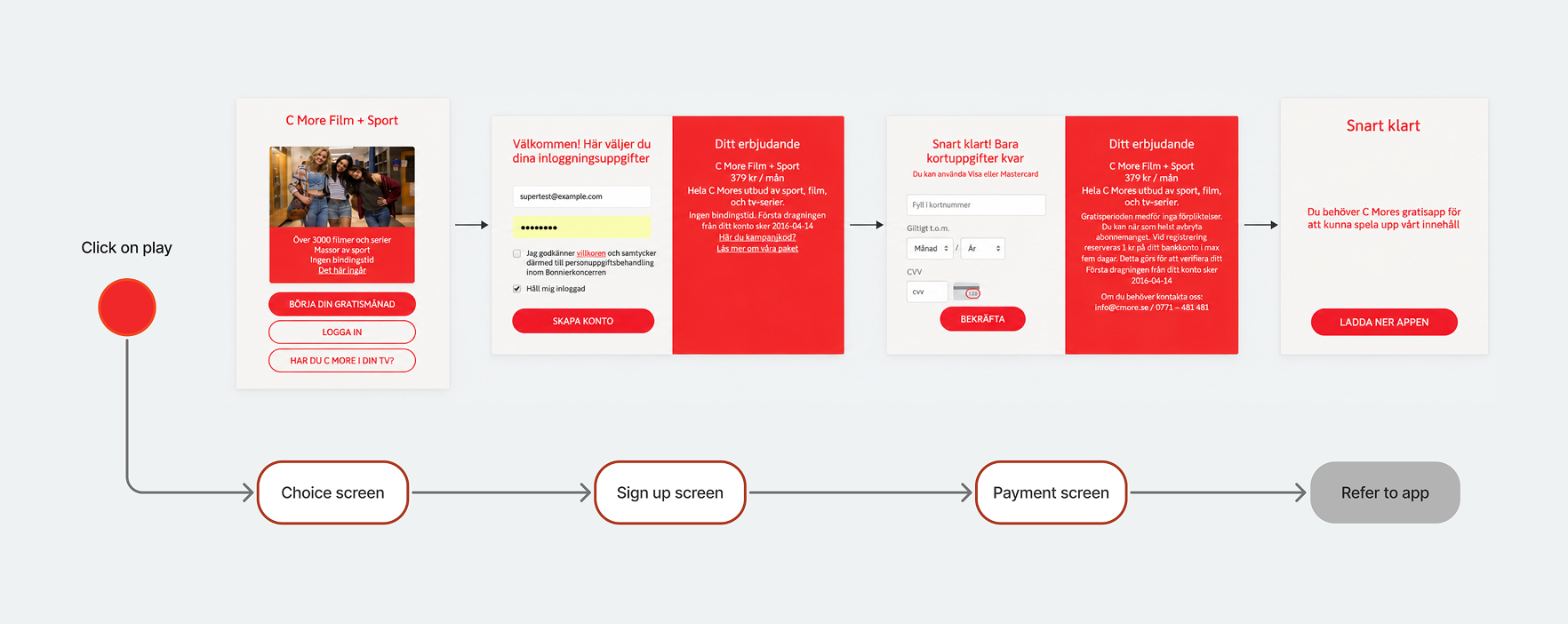
Onboarding and subscription flows were important both to the user experience and to the business. The service needed to communicate what users were signing up for, collect required information and avoid creating unnecessary reasons to abandon the process.
This was particularly challenging where business or technical requirements introduced friction, such as requesting payment details for a free account, requiring an app download after mobile-web signup, or managing upgrades and downgrades with different billing and entitlement rules.
Moving from ideas to buildable solutions
The project involved a large cross-functional organisation, with different teams contributing product goals, editorial knowledge, technical constraints and design perspectives.
UX and development therefore needed a shared way of moving from early ideas to concrete behaviour and requirements. Concepts had to become progressively more detailed so that questions around feasibility, states and edge cases could be resolved before and during implementation.
My Role
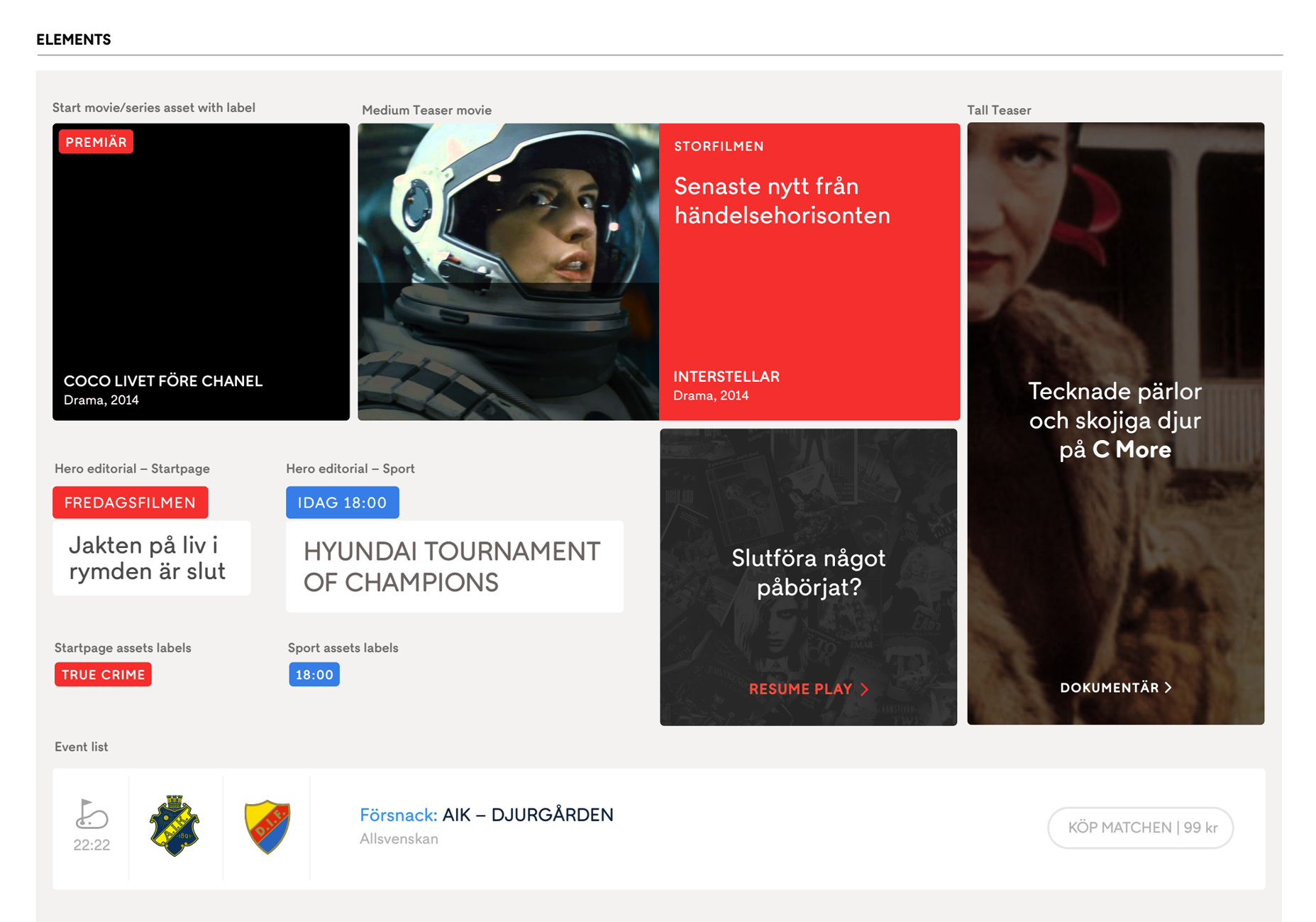
My role combined UX design, user research and requirements analysis within the web team. I worked from early product questions through interaction design, validation and implementation, including onboarding and subscription journeys. I also translated product and business requirements into clear user flows, prototypes and detailed requirements for development.
Shaping concepts with users and stakeholders
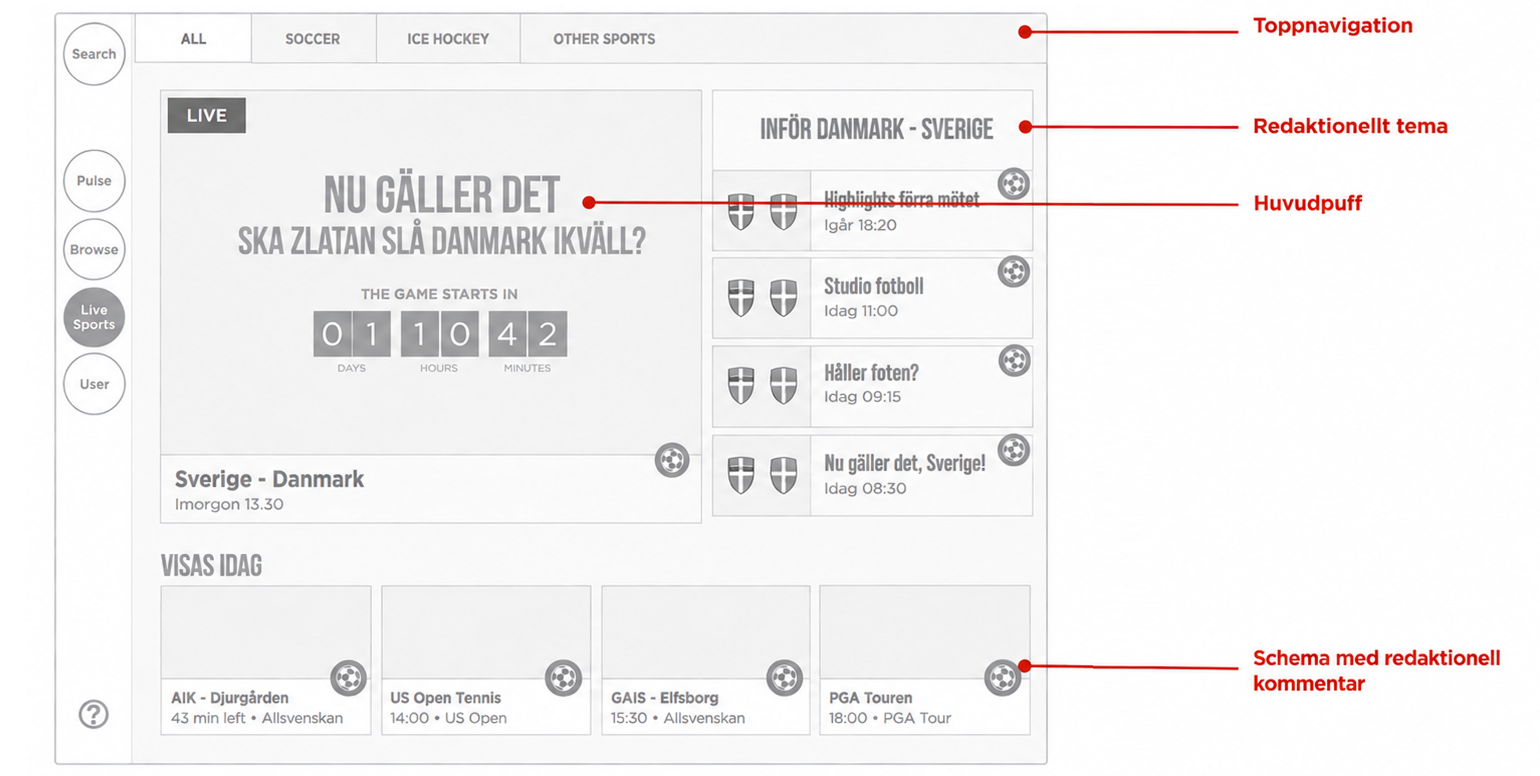
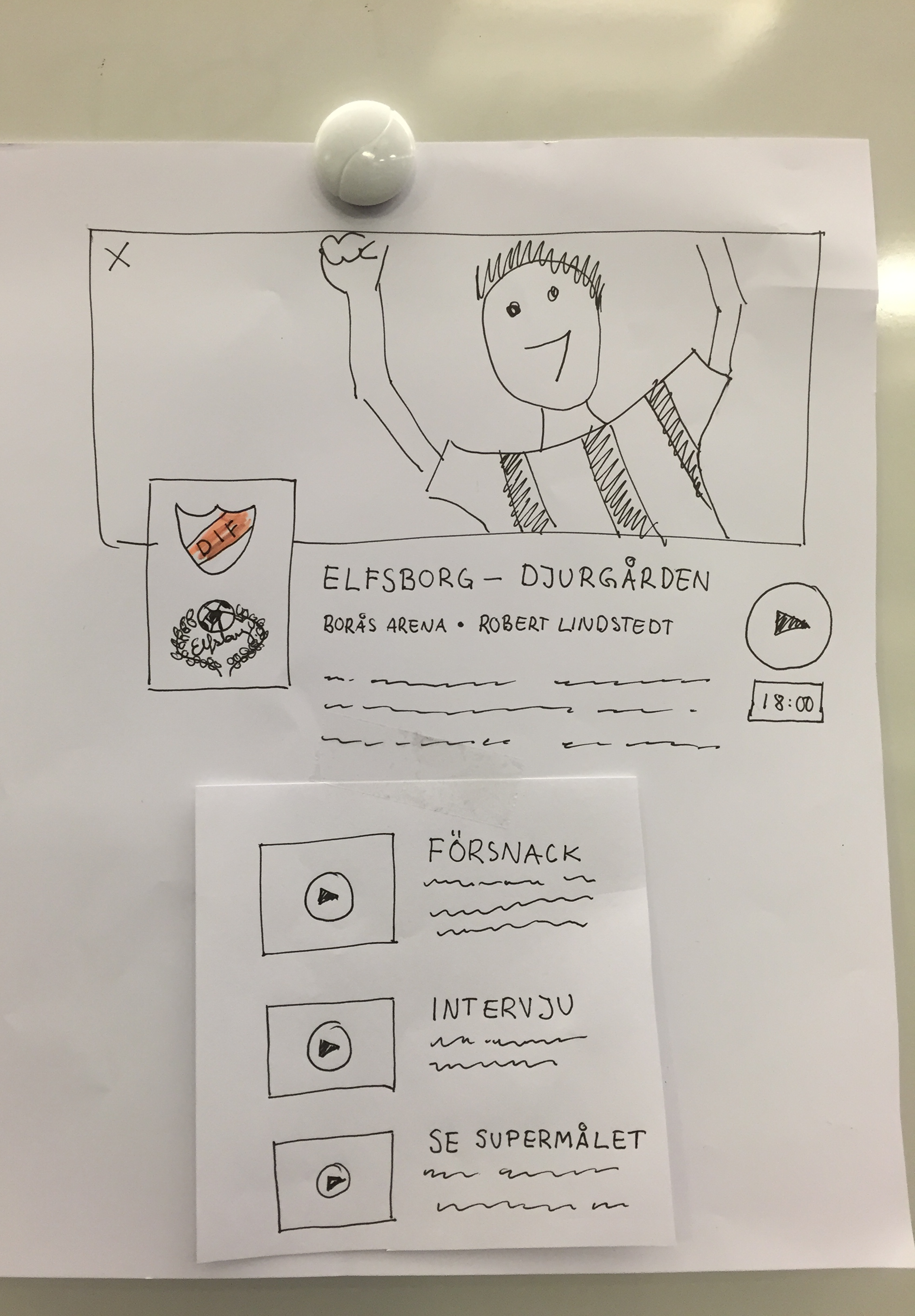
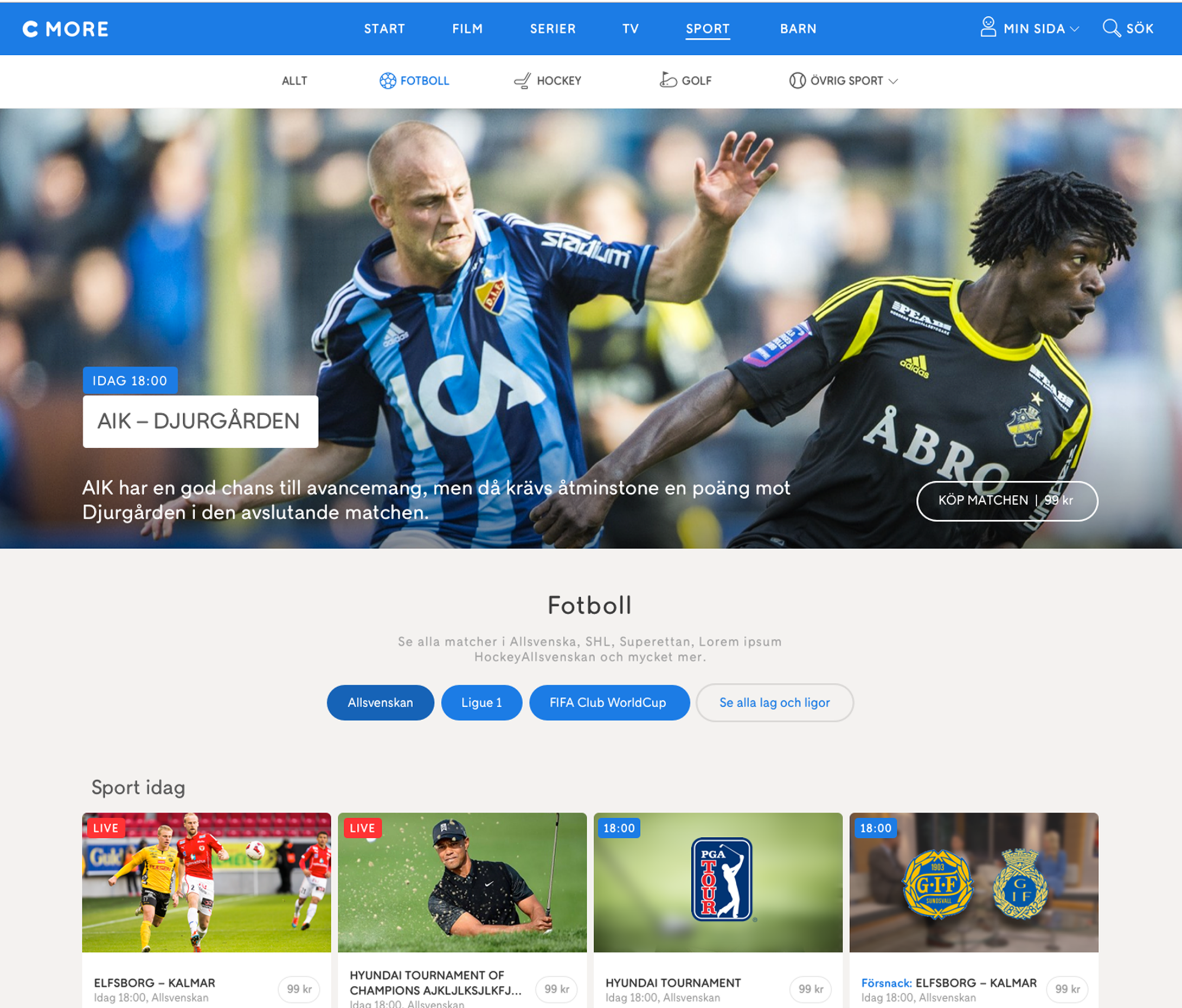
I worked with product, editorial, development and other stakeholders to turn broad ambitions into concrete user problems and concepts. Workshops were used to bring different perspectives into the design process and explore possible solutions before committing to a direction. For the sports experience, this included cross-functional sessions with stakeholders, editors and developers before concepts were prioritised and taken into prototyping and user testing.
I also worked on the overall navigation and information architecture, balancing user needs, editorial goals, commercial priorities and technical constraints across the service. Throughout the process we looked at wider user journeys rather than individual screens. For sports, this meant considering how people discovered an event, decided what to watch, found the right match quickly, followed it live and returned for related content afterwards.
Designing onboarding and subscription journeys
I worked on onboarding and subscription flows where user experience and commercial goals were closely connected. This included communicating what users were signing up for, structuring the information required during registration and reducing friction at points where users might abandon the journey.
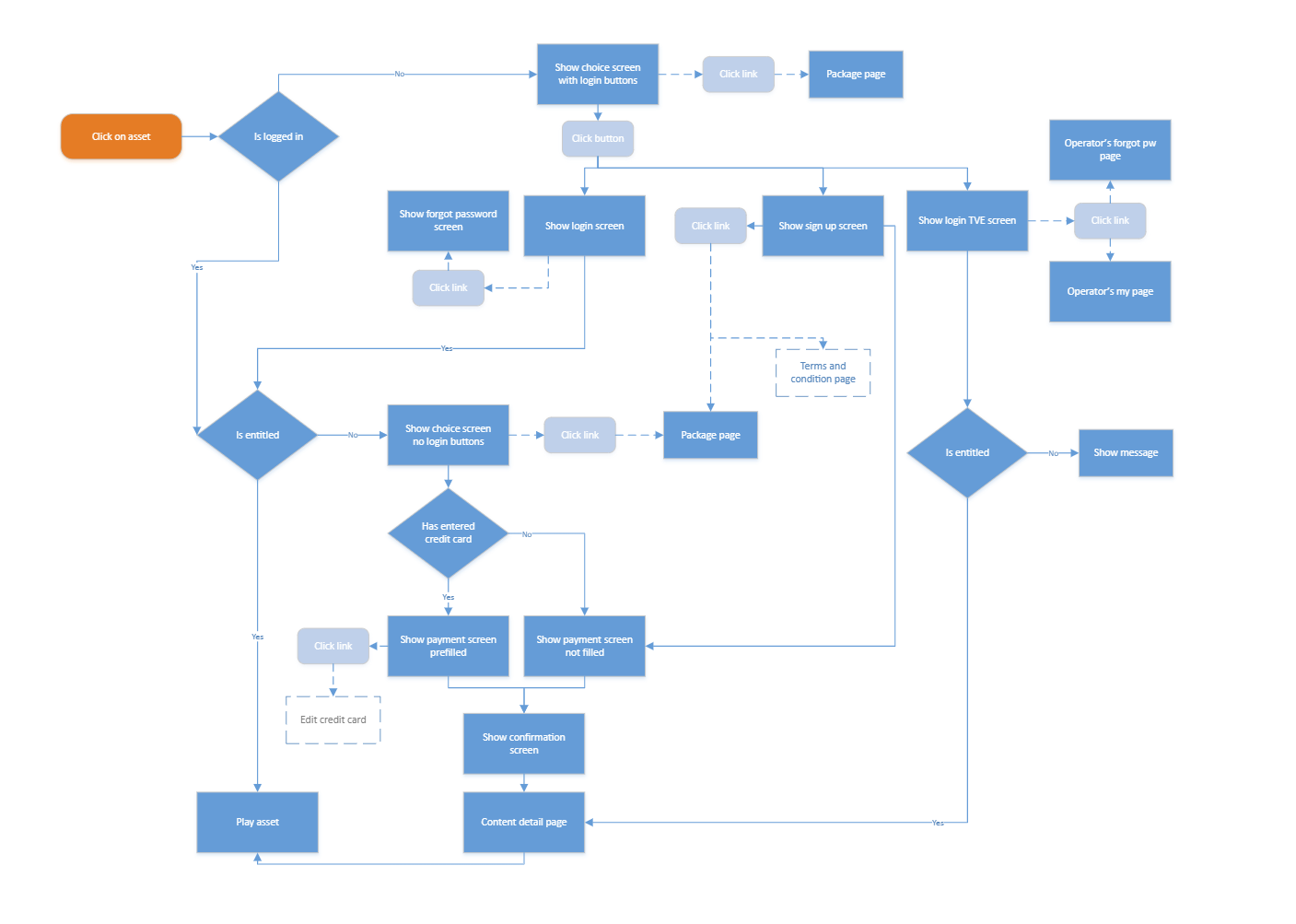
I also defined flows for upgrading and downgrading packages, balancing users’ need for clarity and control with business goals around retention and the underlying billing and entitlement rules. The underlying flows were complex. Depending on whether someone was logged in, entitled to content, had already entered card details or was using a partner login, the journey could branch into different paths and some actions were available on web but not mobile. The challenge was to simplify this into a journey that still felt understandable and continuous to the user, explaining clearly what would change, when it would take effect and what the user would be charged.
Validating and refining the experience
I created prototypes and ran qualitative user research to understand not only whether people could complete tasks, but why they behaved as they did. We tested realistic scenarios and iterated the prototypes at increasing levels of fidelity, using each round to refine the concepts before implementation.
User interviews and think-aloud testing helped us understand the reasoning behind users’ choices rather than simply observing their behaviour. This qualitative insight complemented analytics, giving the team a fuller picture of both what users were doing and why.
Testing was repeated as concepts became more detailed, across navigation, sports, onboarding and subscription journeys. This helped identify where people hesitated, misunderstood terminology or lost confidence in what would happen next, particularly in flows involving signup, payment and package changes.
Translating design into implementation requirements
I worked closely with development to turn interaction concepts into detailed requirements and resolve questions that emerged as the design became more concrete. This included coordinating technical investigations where feasibility affected the experience, clarifying behaviours and edge cases, and ensuring that the intended interaction survived the transition from prototype to implementation.
I documented flows, states and behaviour in requirements and acceptance criteria, and worked with developers through implementation and design QA to resolve issues before release. Prototypes and requirements were used as shared working material, making it easier to discuss behaviour, technical constraints and unresolved questions before they became implementation problems.
Because web, mobile and Smart TV were being developed in parallel, I worked with designers and development teams across platforms to align the underlying concepts, navigation and core behaviours.
Impact
My work helped establish a more user-centred product process, where concepts were tested and refined before implementation rather than relying primarily on internal assumptions. Prototypes, qualitative research and analytics were used together to identify problems, challenge assumptions and turn findings into concrete design changes. This created a stronger basis for making product decisions throughout the development process, from early concepts through to release.
Making product decisions more evidence-based
Regular user testing gave the team direct evidence of how people actually navigated and interpreted the service. Combined with available analytics, this helped the team identify problems earlier, understand why they occurred and prioritise changes based on user behaviour rather than internal assumptions.
The testing approach combined observation with questions about users' reasoning, complementing quantitative analytics with an understanding of why behaviour occurred.
Improving commercially critical journeys
Testing onboarding, payment and subscription flows helped expose where users hesitated, misunderstood what would happen next or encountered unnecessary friction.
This gave the team a stronger basis for refining journeys connected to signup, conversion and retention, while still accommodating business, billing and technical requirements.
Creating a clearer path from discovery to development
Workshops, concepts, prototypes and requirements created a progression from broad product goals to solutions that developers could implement.
Closer collaboration between UX and development helped clarify behaviour, edge cases and technical constraints earlier, reducing ambiguity as concepts moved into implementation.
Supporting a coherent product across devices
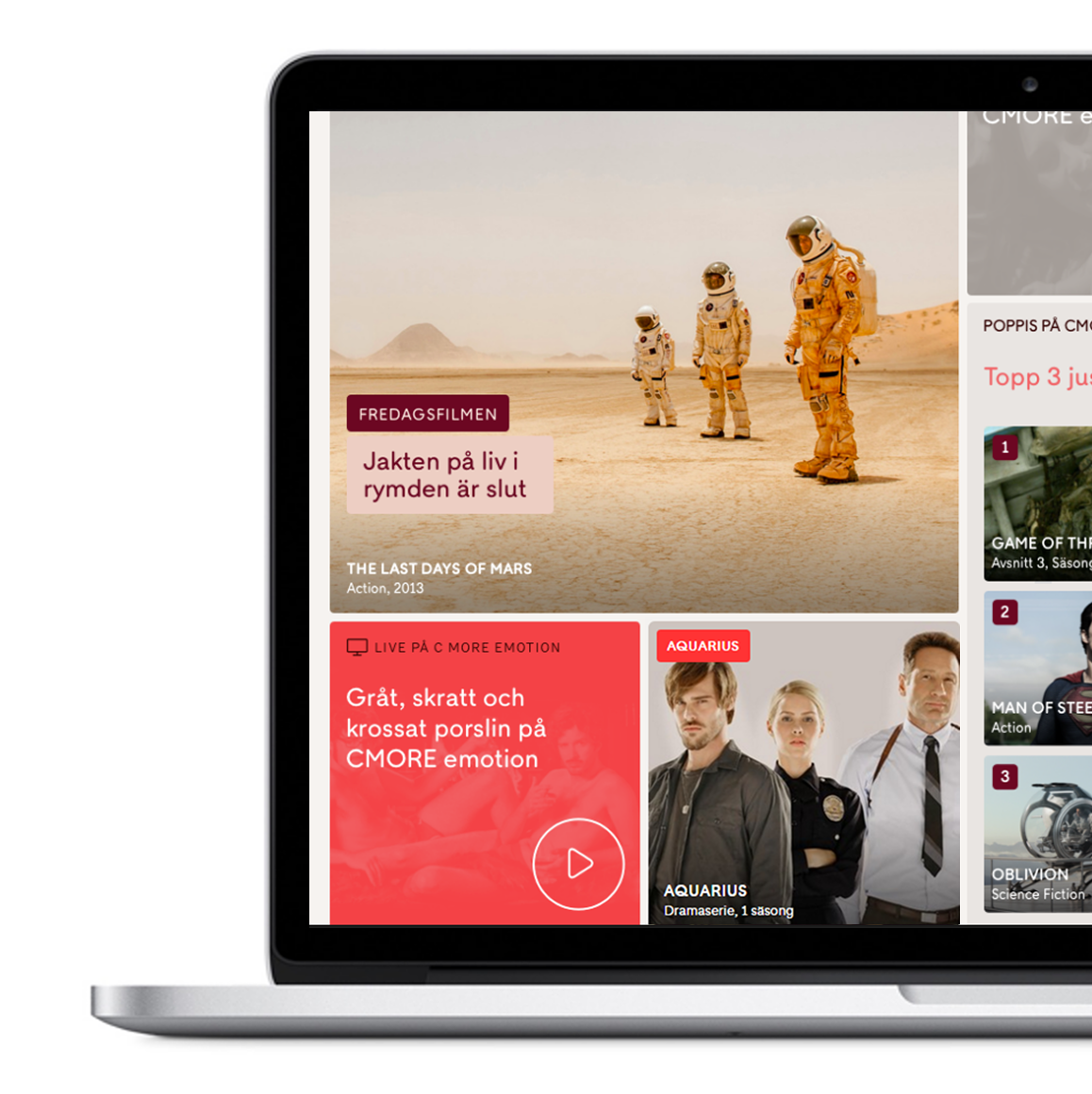
Collaboration across web, mobile and Smart TV helped keep platform-specific design decisions connected to a common product experience.
Shared concepts and core behaviours gave the different teams a common foundation, while still allowing each platform to use interaction patterns suited to its device and technical constraints.