
Modernising electronic access control, from days to minutes
ASSA ABLOY develops electronic access control solutions through products such as card readers and smart locks. I worked on modernising and consolidating established professional tools while balancing complex security rules, hardware dependencies and the needs of very different users.

- Professional Tools
- Access Control
- Connected Hardware
- Complex Systems
Summary
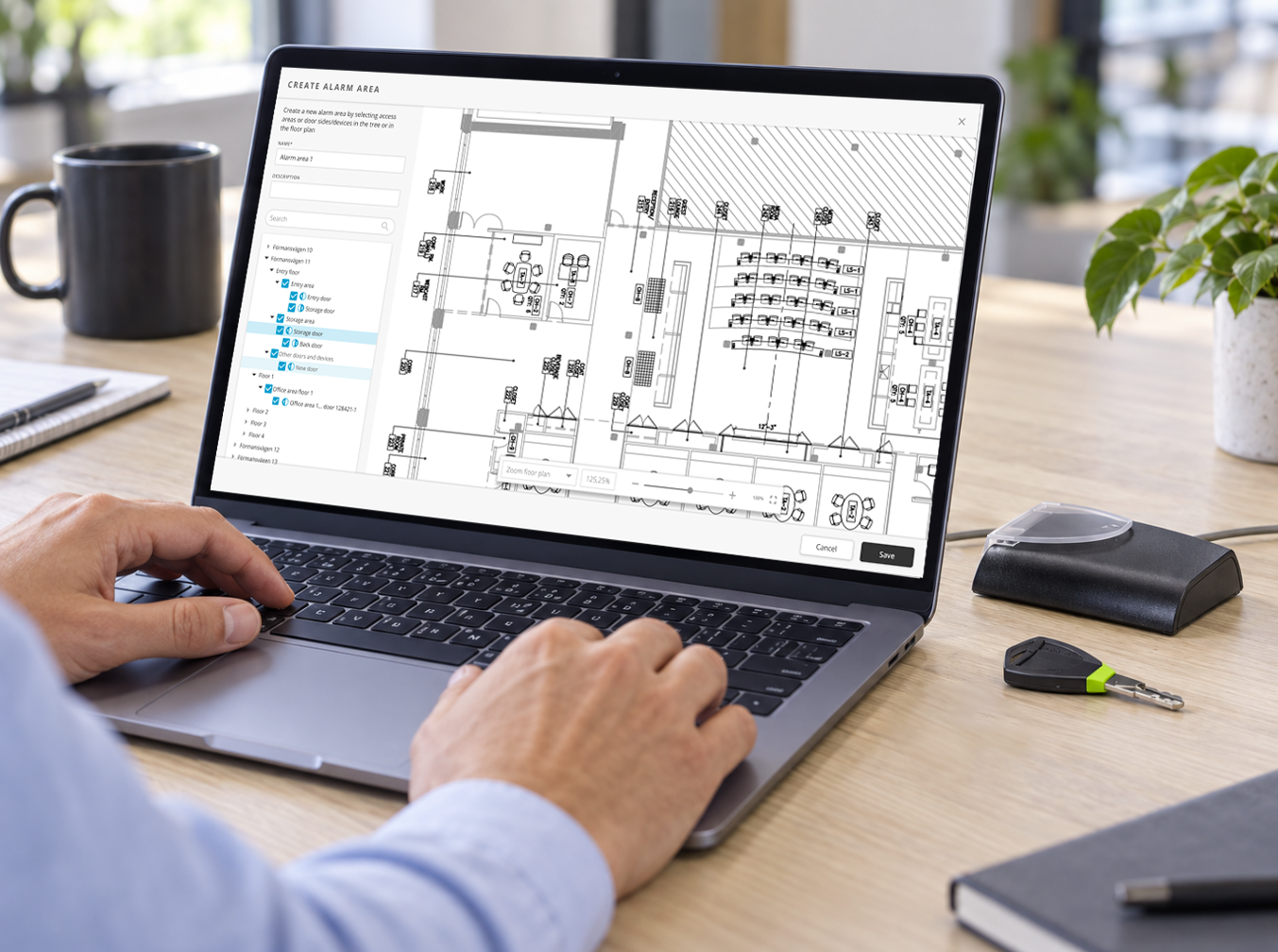
I worked across UX, requirements and Product Ownership to modernise a suite of established electronic access-control products and move them towards a more coherent platform. The work combined user research, interaction design and product prioritisation with a detailed understanding of security workflows, hardware behaviour and technical dependencies.
The redesign introduced clearer workflows, reusable patterns and more structured product-development practices. A guided setup flow with reusable door and lock templates reduced configuration of a new customer system from days to minutes, while other decisions helped retire legacy code, improve consistency and strengthen collaboration across software, hardware and business teams.
Role
Mar 2019 – Aug 2022
UX Designer
Product OwnerAdditional ASSA ABLOY assignment
Sep 2022 – Sep 2023 · Hotel access control
Scope
Product ownership · Requirements · User research · Interaction design · UI design · Design systems · Information architecture · Ecosystem mapping
Platform
Electronic access control · Web · Mobile · Hardware-connected systems
Team
International R&D team of 30 across development, QA, program management, system architecture, hardware and domain expertise
The Challenge
The challenge was to modernise and consolidate several established access-control systems without disrupting a large installed customer base. The work had to balance very different user groups, complex security and business rules, physical hardware dependencies and competing priorities across residential, commercial and hardware teams.
Growing business pressure across an extensive product journey
With customers increasingly valuing the digital experience, competitors with more efficient software platforms were putting ASSA ABLOY’s business under pressure.
The current solution was made up of several well-established products serving different market segments. Modernisation and consolidation were required, without negatively impacting the large installed customer base.
The wider product journey extended far beyond the interface. It included purchasers, independent consultants, locksmiths and installation companies, security managers, receptionists and ultimately card or key holders such as residents and employees. The service lifecycle covered planning, purchasing, installation, configuration, maintenance and setup changes.
A technically complex domain with hardware dependencies
The systems were professional tools used to manage people, permissions, hardware, access cards, schedules and dynamically changing system data. Users needed to understand large amounts of information and complex relationships while avoiding configuration errors that could have real-life security and operational consequences.
The software was part of a wider ecosystem of physical access-control products. Designing effective workflows required understanding card readers, credential protocols, alarms, door mechanisms and hardware behaviour, and coordinating software priorities with hardware teams and product launches. As a result, software decisions had to consider not only the user interface, but also for hardware constraints, technical dependencies, and broader product timelines.
One product for very different users and environments
The product needed to support very different user groups, from expert installers who wanted dense information and advanced controls to occasional users who benefited from simpler, more focused workflows. Across all of these experiences, the product also needed to meet WCAG accessibility requirements.
The domain ranged from high-security public buildings such as police stations and schools, to shopping centres, professionally managed large residential estates, housing cooperatives, and small to medium-sized stores. This meant the product had to support very different levels of complexity, security, administration and day-to-day operation while still working as one coherent system.
My Role
My role spanned a broad responsibility across UX leadership, requirements and product ownership. My work included research, requirements analysis, backlog maintenance, prioritization, stakeholder management, work process improvements, information architecture, interaction and UI design, prototyping, usability testing, and implementation support.
In-depth research to understand business drivers and user needs
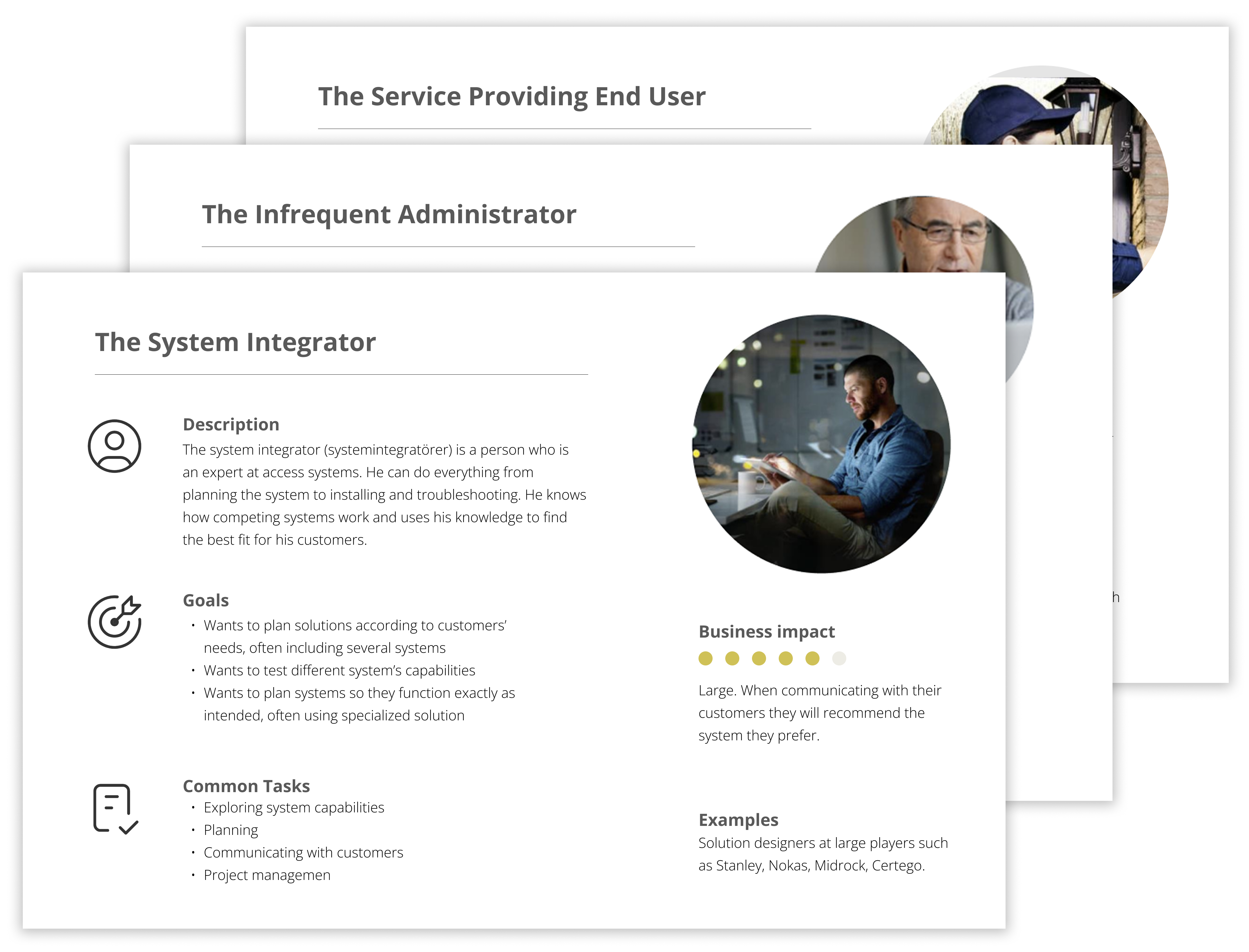
I defined customer journeys and mapped the wider ecosystem of partners and stakeholders across purchasing, installation, configuration and ongoing use, to identify which roles and contexts were most important to include in the research. I conducted interviews, observations and usability studies with installers, locksmiths, security staff and key holders across different market segments, and defined ten user groups that were then prioritised based on user impact and business value. The qualitative research was complemented by commercial data and feedback from sales and technical support. As analytics from the existing systems were limited, I also established an analytics approach for the new platform to support ongoing evaluation after launch.
Translating complexity into working solutions
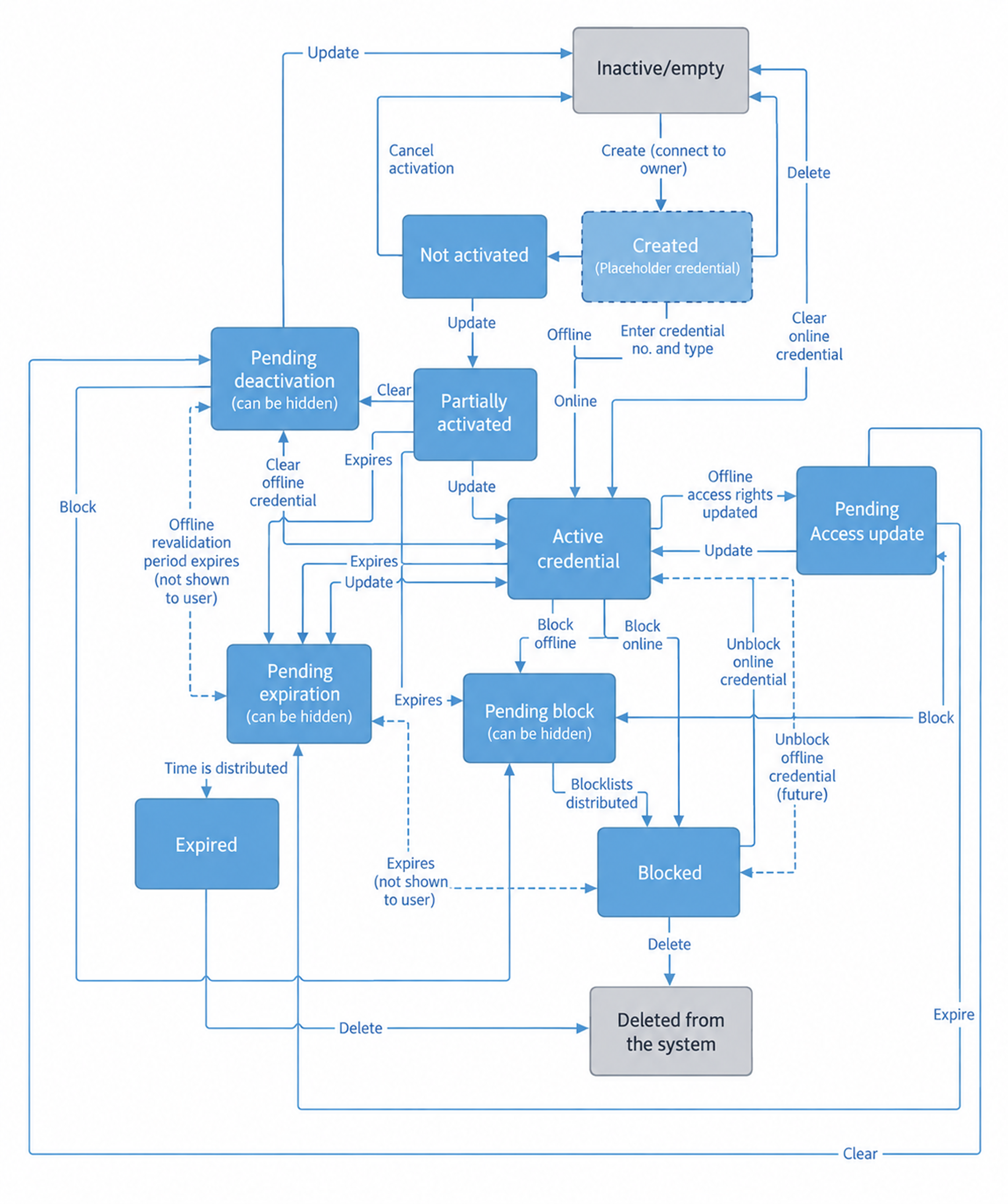
A major part of my role was translating domain complexity into structures that matched both the underlying system and users’ mental models. I worked closely with system architects, hardware specialists and domain experts to define information architecture, terminology and workflows, with the goal of making the system as easy to use as possible without simplifying it in ways that misrepresented how the real system worked or limiting the flexibility technical users needed. Co-creation sessions and design studios with users, developers and business representatives helped us explore solutions, identify constraints and align different perspectives before moving into detailed design.
Modernising the interface and creating a design system
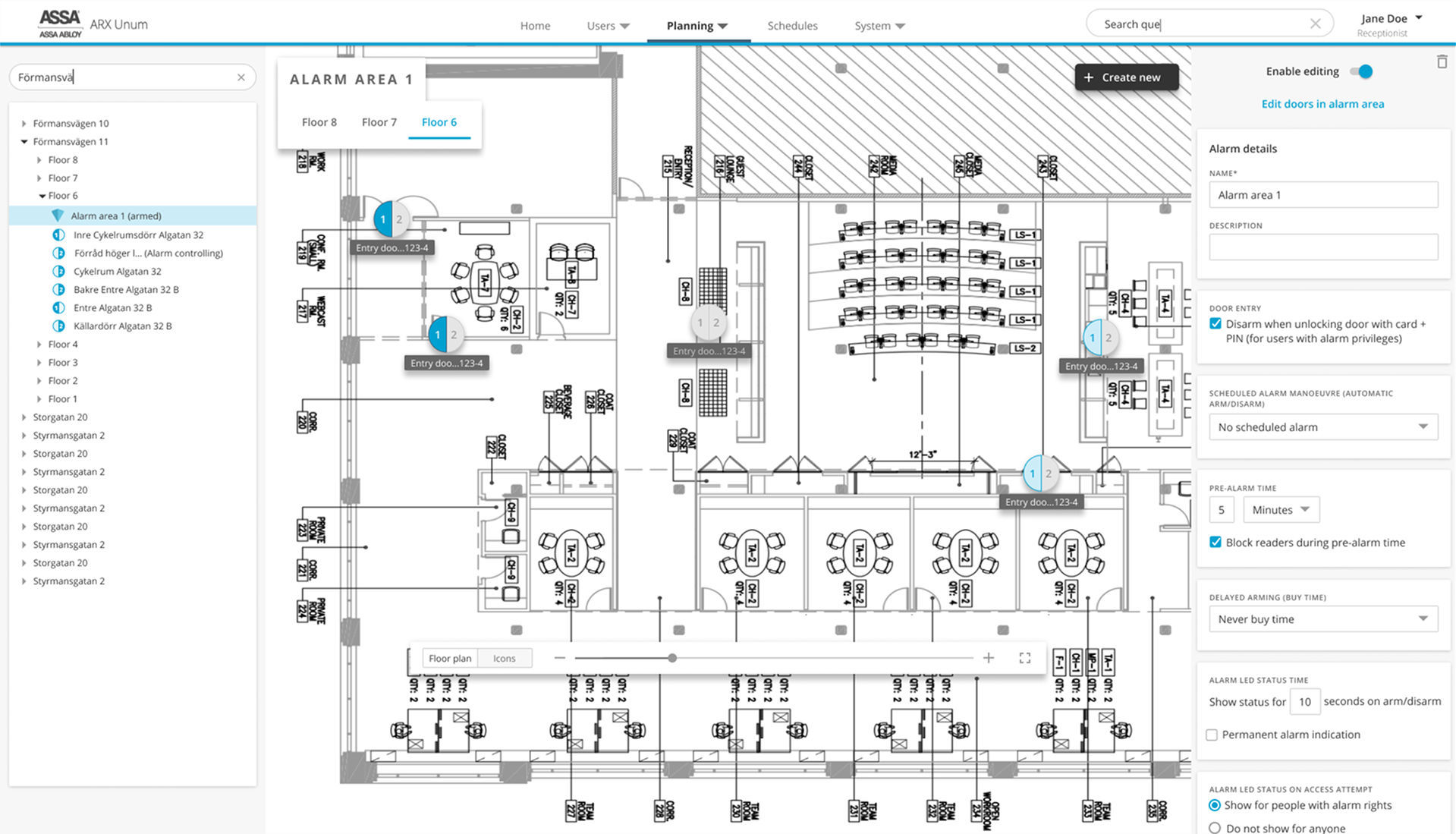
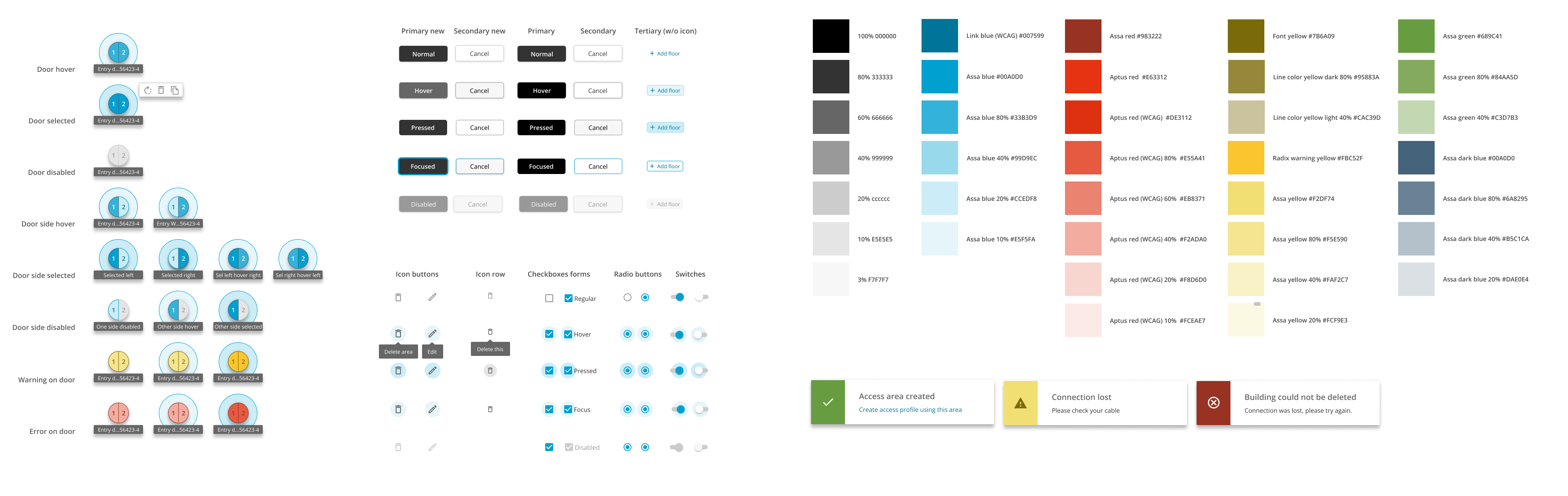
I redesigned the interface around modern, standard interaction patterns, while introducing new patterns and components where the domain required them. I also considered where and how different tasks were performed, assessing whether mobile and touch interactions were appropriate for specific workflows. The redesign followed WCAG accessibility principles and included domain-specific interactions, such as placing door and hardware objects on floor plans with the correct physical orientation and relationship to the door. I also introduced templates, duplication and guided set up flows to make repetitive configuration much faster.
implementation, helping validate complex workflows early and giving developers a clearer reference for intended interactions and behaviour. To support consistency and implementation, I built a reusable Figma design system with shared components, patterns and interaction guidance that could be applied across the platform.
Shaping priorities and aligning stakeholders
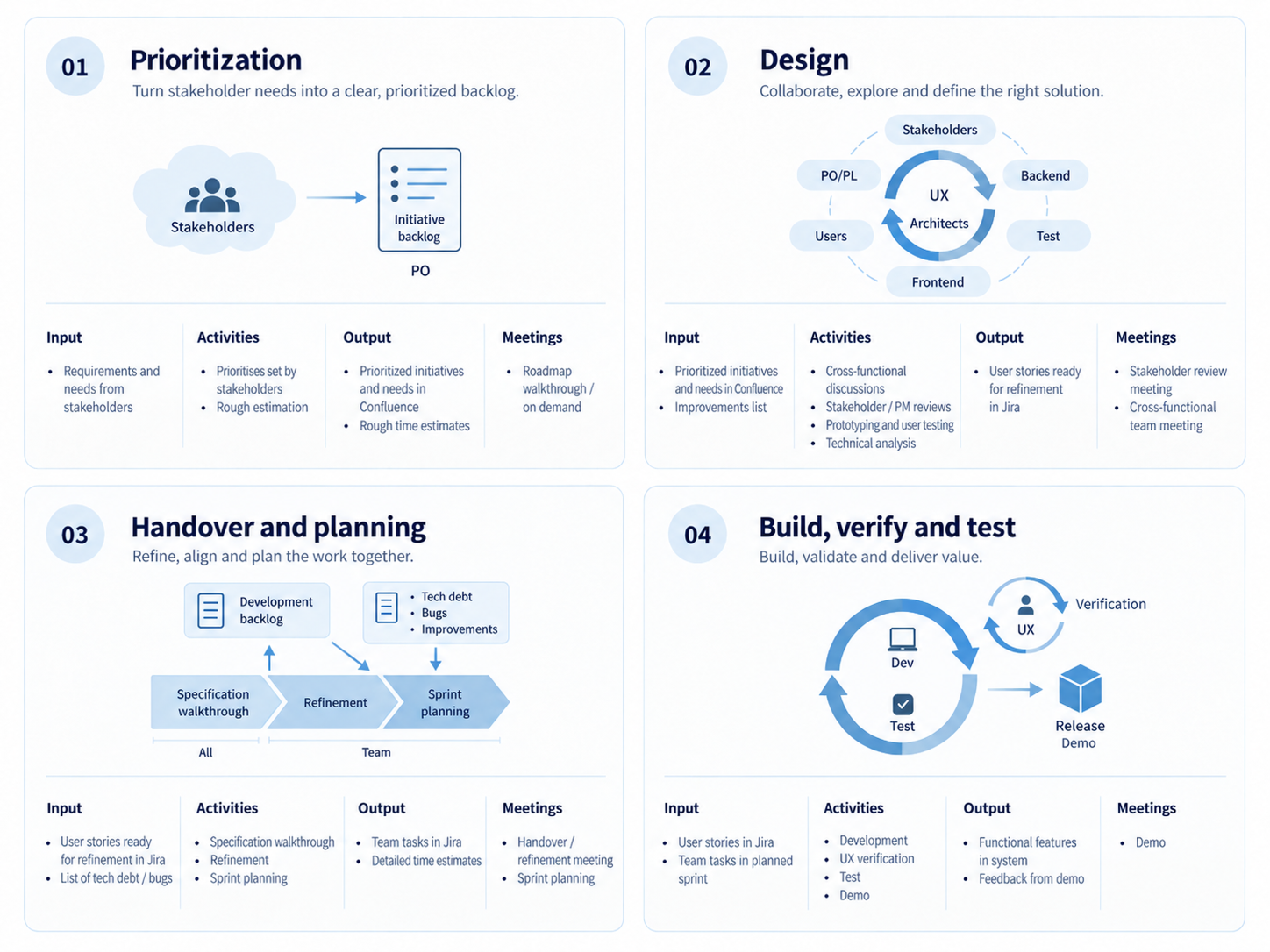
As my role expanded, I took on Product Owner responsibilities alongside the UX work. I contributed to prioritisation and product decisions, structured and maintained the backlog, wrote user stories and acceptance criteria, and established a clearer lifecycle for how work moved from discovery and definition into development, verification and completion. I facilitated refinement, clarified scope and dependencies with developers and system architects, and balanced new functionality, defects and technical constraints against user needs and business value. I also established definitions of ready and done, coordinated dependencies across teams, followed stories through implementation and design QA, and helped make research, design and validation a more integrated part of the product-development process.
Stakeholder management was an important part of the role. Residential, commercial and hardware stakeholders often had competing priorities, so I established recurring sessions with a structured agenda covering research findings, design decisions, testing results, upcoming work and overall progress. This created a more constructive way to surface trade-offs, balance competing needs and maintain alignment across a large organisation.
Impact
My work, together with a strong business and technical team, contributed to a more coherent and modern product platform, more structured UX practices, and closer collaboration across software, hardware and business teams.
Turning configuration speed into a competitive advantage
A guided setup flow with reusable templates for doors and locks reduced the time required to configure a new customer system from days to minutes. This turned configuration speed from a competitive weakness into a differentiator, making the platform faster to set up than competing solutions and providing a strong proof point in customer discussions.
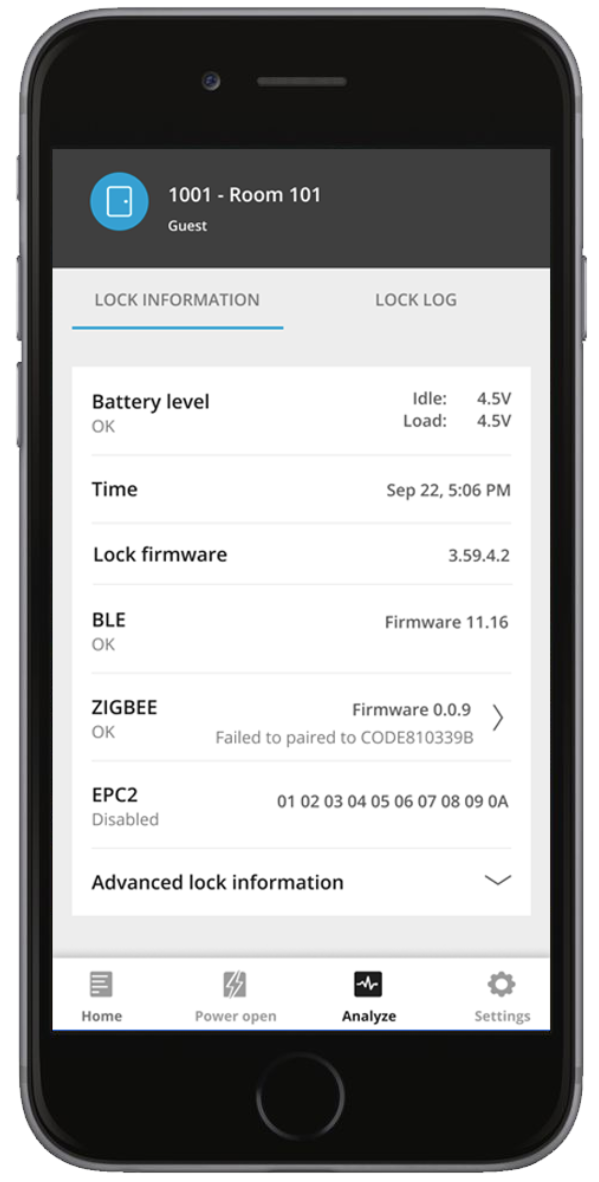
Complex technical work remained optimised for larger screens, while field tasks such as error checking and hardware enrolment, along with check-in and credential management were designed for mobile and touch when this better matched the working context. WCAG compliance was also an important requirement, particularly for public-sector customers, and accessibility was therefore built into the design of the new platform.
Reducing technical and operational cost
Some decisions created benefits beyond the immediate user experience. I pushed for redesigning a rarely used legacy section that initially had low business priority because it added no new functionality. Reworking it allowed the team to retire an old codebase and reduce the cost and complexity of maintaining an unstable legacy system.
The design system and clearer, implementation-ready requirements also increased consistency and reduced effort during development. Continuous UX involvement also helped ensure that the team was building the right solutions, while UX verification during implementation caught issues before release and improved the overall quality of what reached users.
Improving alignment and decision-making
I introduced a more structured way of working with residential, commercial and hardware stakeholders, with recurring sessions focused on research findings, design decisions, testing results and priorities. This helped surface conflicts earlier, clarify priorities and make decisions faster across the different product areas.
Establishing systematic evaluation
We introduced more structured ways of evaluating product quality through both quantitative and qualitative feedback. Measures included setup time, support questions, externally reported bugs, task efficiency and post-release user feedback, helping the team make more evidence-based product decisions.